Account Management
 Amazon Advertising
 Amazon SEO Services
 Sell on Walmart Marketplace
 Case Studies
 Blog
Blog Preferred Partners
 Careers
 Webinars

If you want to improve your Amazon conversion rate, where do you start? Most brands go straight to the copy. They spend hours obsessing over bullet points and A+ content descriptions that, in reality, most shoppers will never read.
The truth is simpler: Your fastest path to a higher conversion rate isn’t your copy. It is your images.
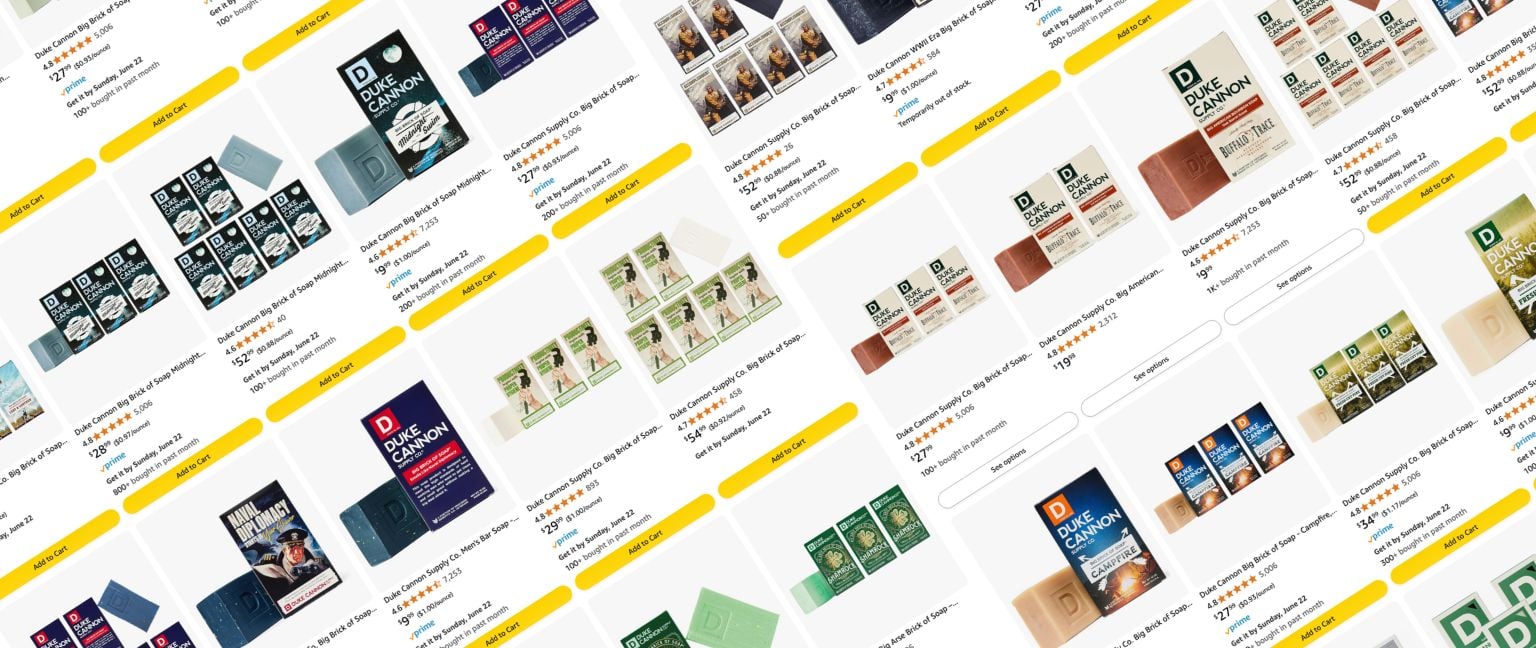
According to Gabe Ray of Evolved Commerce, most Amazon shoppers are visual hunters. They scroll the images, check the price, glance at the star rating, and make a split-second decision. Your image stack isn’t just a gallery of what you sell; it’s your real listing. At Evolved Commerce, we don’t view images as photography. We view them as salesmanship.
If your image stack is just six different angles of a product on a white background, you are leaving money on the table. Here is the six-image blueprint Gabe recommends for every brand, as well as a few examples of ideal product imaging from our partners at Duke Cannon:
1. Image 1: Hero Shot
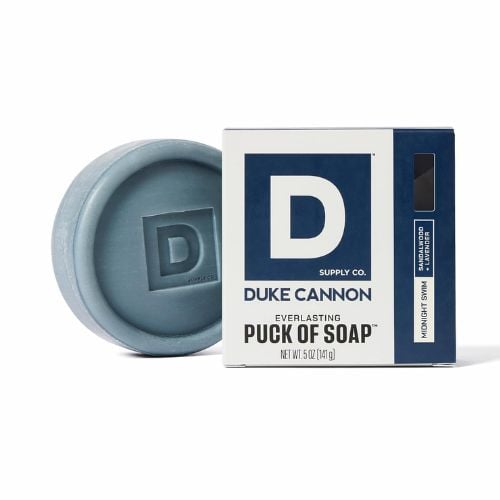
This is your first impression and your only ad creative in the search results. It must be a clean, white background with the product filling 85 percent of the frame. But beyond compliance, it has to have gravity. It needs to look so high-quality and touchable that the customer can’t help but click.
2. Image 2: Context and Lifestyle
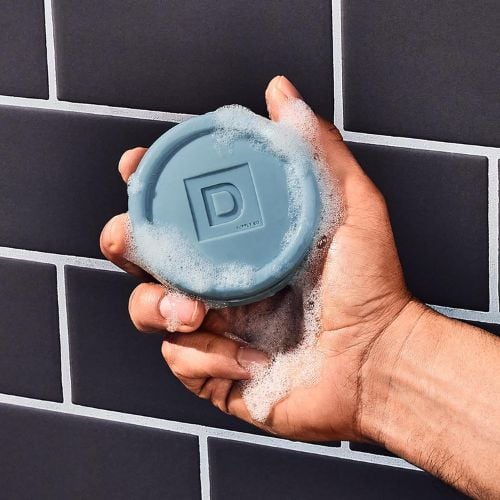
Show the product being used by your target customer in their actual environment. Avoid the uncanny valley of obvious stock photos with fake smiles. Use imagery that reflects the real life of your audience. When a customer sees someone they relate to using your product, they stop buying a thing and start buying a result.
3. Image 3: The Problem It Solves
Humans are more motivated by avoiding pain than gaining pleasure. Use an image to visualize the problem your product solves. Whether it’s a before-and-after, a side-by-side comparison, or a visual representation of a common frustration, make them feel the problem first. Then, show them your solution as the hero.
4. Image 4: Key Differentiator
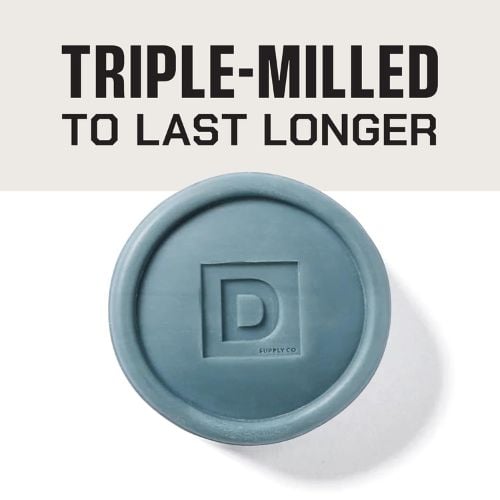
What is the one thing you do better than everyone else in the category? Don’t hide this in the third bullet point. Make it visual. Whether it’s a proprietary material, a unique size, or a specific feature, call it out with a clear, bold graphic. If a customer only sees this one image, they should know exactly why you are better than the cheaper alternative.
5. Image 5: Social Proof
Social proof is more persuasive than anything your marketing team can write. Take a powerful, specific review from a real customer and pull it out into a beautiful graphic. Seeing real words from real people in the image stack provides a level of psychological safety that copy alone cannot achieve.
6. Image 6: Trust and Risk Reduction
What is the last reason a customer might say no? Is it a fear of the wrong size? Concern about a warranty? Uncertainty about what comes in the box? Use your final image to remove that risk. Highlight your guarantee, certifications, or a what’s in the box visual. Give them total peace of mind to hit the Add to Cart button.
Are You Showcasing or Selling?
Most brands have six beautiful product photos, but none of them actually sell anything. They are informative, but they aren’t persuasive.
As Gabe Ray often points out, images aren’t just assets; they are your frontline sales team. When you optimize the visual journey to address psychological triggers rather than just showing a physical object, the conversion data follows.
Are your images closing the deal, or just standing there?
Ready to evolve your visual strategy? Let’s talk.